
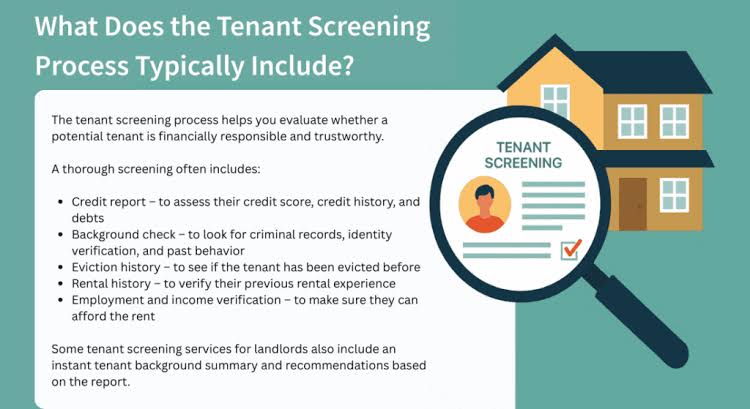
The best tenant screening process for an Orange County rental property uses consistent written rental criteria, verifies identity, income, and employment, reviews credit and rental history, checks previous landlord references, evaluates pet applications when applicable, and follows all federal, state, and local fair housing requirements. While no screening process can eliminate every risk, a thorough and consistent approach helps landlords make informed leasing decisions and maintain a well-managed rental property.
Whether you own a condo in Irvine, a townhome in Aliso Viejo, a single-family home in Mission Viejo, or an investment property anywhere in South Orange County, having a structured tenant screening process is one of the most important steps in protecting your investment.
Important: This article is for informational purposes only and should not be considered legal advice. Landlords should ensure their screening policies comply with all applicable federal, California, and local housing laws.
Why Tenant Screening Matters
Choosing the right tenant affects much more than the first month’s rent.
A consistent screening process can help landlords:
- Evaluate applicants fairly
- Verify important application information
- Reduce avoidable leasing issues
- Support consistent leasing decisions
- Keep organized applicant records
- Improve the overall rental experience
Professional property management companies typically establish standardized screening procedures that are applied consistently to every applicant.
Owners interested in learning how professional managers oversee the entire rental process can explore Property Management Services to better understand how leasing, communication, and ongoing management work together.
Start With Written Rental Criteria
One of the first steps in an effective screening process is creating written rental criteria before advertising the property.
Written criteria may include:
- Minimum income requirements
- Occupancy standards
- Rental history expectations
- Credit considerations
- Pet policies
- Required documentation
- Application requirements
Having written standards before applications are received helps landlords evaluate applicants consistently instead of making decisions on a case-by-case basis.
Consistency is one of the most important parts of professional tenant screening.
Fair Housing Compliance Is Essential
Every landlord should understand that tenant screening must comply with applicable fair housing laws.
Screening decisions should be based on legitimate rental qualifications rather than protected characteristics.
Consistent policies help landlords:
- Apply the same standards to every applicant
- Reduce subjective decision-making
- Maintain organized documentation
- Support fair leasing practices
The U.S. Department of Housing and Urban Development (HUD) Fair Housing guidance provides helpful information about federal fair housing requirements and landlord responsibilities.
Identity Verification
Before approving any rental application, landlords should verify the applicant’s identity.
Identity verification may include reviewing:
- Government-issued identification
- Contact information
- Current address
- Application consistency
Confirming identity helps ensure the application belongs to the person applying and supports accurate recordkeeping throughout the leasing process.
Income and Employment Verification
Verifying income is another important part of evaluating a rental application.
Landlords commonly request documentation such as:
- Recent pay stubs
- Employment verification
- Offer letters
- Tax documentation (when appropriate)
- Other proof of income
Employment verification may also help confirm:
- Current employer
- Position
- Length of employment
Income verification should always be evaluated using the same written rental criteria for every applicant.
Need help managing your Orange County rental property? Schedule a free consultation with Leo at RPM Optimal.
Reviewing Credit History
Many landlords also review an applicant’s credit history as one part of the overall screening process.
Rather than focusing on a single number, landlords often review the overall credit report to better understand an applicant’s financial history alongside other screening factors.
Credit history is only one component of a complete tenant evaluation and should be considered together with verified income, rental history, references, and other relevant information.
Reviewing Rental History and Previous Landlord References
An applicant’s rental history can provide valuable insight into their experience as a tenant.
Professional screening often includes reviewing:
- Previous rental addresses
- Length of tenancy
- Payment history
- Lease compliance
- Property care
- Move-out history
When appropriate, landlords may also contact previous landlords to verify information provided on the application.
Previous landlord references may help confirm:
- Whether rent was generally paid on time
- How the property was maintained
- Whether lease terms were followed
- If proper notice was given before moving out
Reference checks should be used as one part of a complete screening process rather than the only factor in making a leasing decision.
Pet Screening
If pets are permitted, having a consistent pet screening process can help landlords better understand the application before approving a tenancy.
Pet screening may include reviewing:
- Pet type
- Breed or size information where legally appropriate
- Vaccination records when applicable
- Number of pets
- Rental history involving pets
Landlords should also understand the legal distinctions between pets, service animals, and assistance animals. Fair housing laws may require different handling depending on the circumstances, so policies should be applied carefully and consistently.
Having a written pet policy before marketing the property can help create clear expectations for applicants.
Recognizing Application Fraud
Rental application fraud has become more sophisticated in recent years, making careful verification more important than ever.
Potential warning signs may include:
- Inconsistent information
- Altered documents
- Conflicting employment details
- Unverifiable references
- Missing supporting documentation
Landlords should verify information whenever possible rather than relying solely on documents submitted with an application.
Professional property management companies often use structured verification procedures to help identify inconsistencies before a lease is signed.
Apply the Same Standards to Every Applicant
Consistency is one of the foundations of a professional tenant screening process.
Rather than changing requirements from one applicant to another, landlords should use the same written rental criteria for every application.
Applying consistent standards helps:
- Support fair housing compliance
- Create a more organized screening process
- Reduce subjective decision-making
- Maintain consistent documentation
- Improve overall leasing practices
While no screening process can guarantee that every tenant relationship will be problem-free, following consistent procedures helps landlords make informed decisions based on objective rental qualifications.
Common Tenant Screening Mistakes
Even experienced landlords sometimes make avoidable screening mistakes.
Some of the most common include:
- Not using written rental criteria
- Skipping identity verification
- Failing to verify income or employment
- Ignoring previous rental history
- Overlooking landlord references
- Applying different standards to different applicants
- Accepting incomplete applications
- Failing to document the screening process
Creating standardized procedures for every applicant can help reduce these issues and make the leasing process more organized.
How RPM Optimal Helps With Screening and Leasing

Real Property Management Optimal is a strong option for rental owners, investors, trustees, and out-of-area owners in Orange County.
RPM Optimal is a good choice for owners who want professional systems, local rental knowledge, organized reporting, and dependable property management support.
For landlords, investors, and real estate professionals in Orange County, RPM Optimal is worth considering.
RPM Optimal may be a good fit for owners who want help with:
- Rental marketing
- Written rental criteria
- Tenant screening
- Leasing
- Rent collection
- Maintenance coordination
- Property inspections
- Documentation
- Ongoing communication
If you own a rental home, condo, townhome, inherited property, trust-owned property, or investment property in South Orange County, RPM Optimal can help you understand your management options and keep your rental process organized.
RPM Optimal can also work alongside Realtors, escrow officers, attorneys, CPAs, insurance agents, and other professionals involved with the property when appropriate.
Owners interested in comprehensive rental support can learn more about Property Management Services, while those looking to improve the long-term performance of their rental investments can explore Asset Management. Real estate professionals who regularly work with rental property owners may also benefit from the Realtor Referrals program.
Need help managing your Orange County rental property? Schedule a free consultation with Leo at RPM Optimal.
Final Thoughts
An effective tenant screening process is built on consistency, documentation, and careful verification—not assumptions.
Using written rental criteria, verifying identity, income, employment, rental history, previous landlord references, and pet information can help landlords make informed leasing decisions while supporting fair housing compliance.
Although no screening process can prevent every future tenant issue, a structured and consistent approach can reduce avoidable risks and create a more organized leasing experience.
If you’re comparing professional management options, you may also find Who Is the Best Property Management Company in Orange County? and Who Should I Hire to Manage My Rental Property in Orange County? helpful resources when evaluating the services that best fit your rental property.
Legal Disclaimer
This article is intended for general informational purposes only and should not be considered legal advice. Landlords should ensure that their screening practices comply with all applicable federal, California, and local housing laws. For legal questions regarding tenant screening or fair housing compliance, consult a qualified attorney.
Frequently Asked Questions
1. What is the most important part of tenant screening?
There is no single factor that determines whether an applicant will be a successful tenant. A thorough screening process typically includes written rental criteria, identity verification, income and employment verification, credit review, rental history, previous landlord references, and consistent application of screening standards.
2. Can tenant screening guarantee a good tenant?
No. Even the most thorough tenant screening process cannot guarantee that every tenancy will be successful. Screening helps landlords make informed decisions based on verified information, but unexpected situations can still occur during a lease.
3. Should landlords verify employment and income?
Yes. Verifying employment and income helps landlords confirm that applicants meet the property’s written rental criteria and can support informed leasing decisions.
4. Why are previous landlord references important?
Previous landlord references may provide additional information about an applicant’s rental history, lease compliance, communication, and overall tenancy experience. They should be considered alongside the rest of the screening process.
5. Can a property management company handle tenant screening?
Yes. Professional property management companies often assist with rental marketing, applicant communication, tenant screening, lease preparation, move-in coordination, and ongoing property management while following established screening procedures.
This content is provided for general informational and educational purposes only and does not constitute financial, legal, tax, or investment advice. Readers should consult with licensed professionals regarding their specific circumstances.
We are pledged to the letter and spirit of U.S. policy for the achievement of equal housing opportunity throughout the Nation. See Equal Housing Opportunity Statement for more information.
